
METHOD

FROM FIELD TO PUBLISHED ASSET

Method
The pathway from a field engagement to a published, licensable asset is documented, structured, and repeatable. The criteria at each stage are fixed. What varies is the time to meet them; the Archive deepens each pass.
The method is established and in place: a documented framework that sets the archive structure, the authentication discipline, and the editorial standard the portfolio is held to. It governs every field engagement the Institute conducts and extends to other African jurisdictions through partner-institution agreements, with the Institute as the methodology owner and the certifying body. Proven once, it travels intact.
The Pathway

Stage 01 // Community Engagement

Establishing and sustaining the community relationships within which all knowledge acquisition is governed.

Stage 02 // Field Documentation

Recording knowledge in its origin context with the precision required to support authentication and publication.

Stage 03 // Characterisation

Establishing scientific identity, chemical profile, and sensory character through laboratory and sensory panel analysis.

Stage 04 // Palate Mapping

Mapping the asset against regional palate composition and the Institute's characterised records.

Stage 05 // Authentication

Authenticating the entry to the Framework, testing its evidentiary weight, source traceability, and full citation defensibility.

Stage 06 // Archive Integration

Integrating the authenticated entry into the Archive, deepening the value of every connected asset.

Stage 07 // Publication and Licensing

Releasing the entry through peer review into the published record and into the relevant licensed commercial asset.
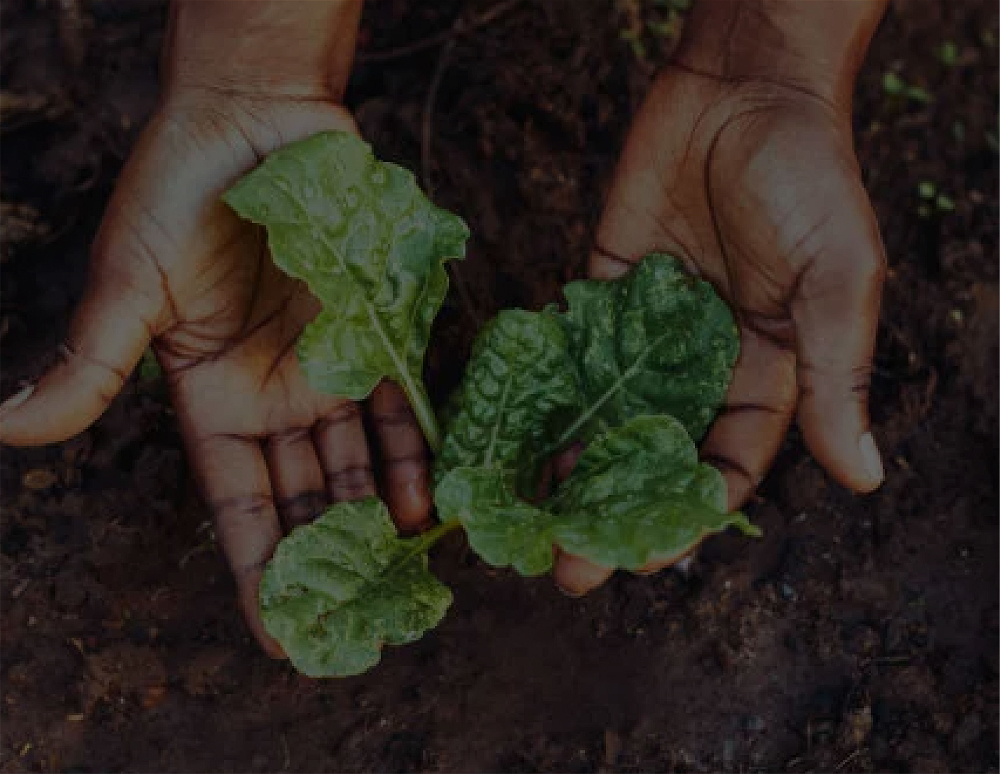
the method
Community
Engagement
The method begins before any knowledge is documented. The Institute does not open a field engagement in a community with which it does not already hold an established relationship. Community engagement is the first stage of the method itself, not a preamble to it.
Engagement sessions are conducted in the community’s primary language. They are exchanges in which the community’s questions, conditions, and concerns are documented and addressed before any acquisition proceeds. The duration of this stage is set by the community. The Institute communicates timelines as information. If a community requires more time, the process simply waits.
Field Documentation
Field documentation records indigenous food knowledge in its origin context with the precision needed to support the authentication and characterisation that follow. It captures botanical identity, preparation methods, seasonal and geographic conditions, traditional uses, and the sensory vocabulary knowledge holders use to describe an ingredient’s qualities.
That last dimension is not supplementary context. The sensory intelligence of the origin system is a primary input into the Lexicon and characterisation that follow.
The Knowledge Archive
The Knowledge Archive is the record that holds it together. Every authenticated entry, ethnobotanical record, palate composition, characterisation, and provenance trail, is structured into one single reference layer from which all five assets draw and to which each returns.
The Archive is built for licensed access and for compounding. New field engagements add entries; new published editions raise the commercial value of what already exists. Access is tiered by usage, sector, and jurisdiction, and every entry is held to the Institute’s standard. This is the bedrock on which the Lexicon, the Atlas, the Advisory Practice, and the Programme are built, the reason the portfolio cannot be replicated.
The Operating Model
The Institute does not employ a research team. It owns the methodology, commissions the fieldwork, contracts the specialists, and licenses the method to partner institutions. Three roles hold the core function. The Head of Institute owns methodology integrity, senior relationships, and the editorial standard. A data analyst holds the archive infrastructure and the analytical work. A senior editor holds the publication pipeline and partner relationships. Everything else scales through contracted and certified capability, not headcount.

Three Operating Principles

Owns Methodology, Not Production
Fieldwork and original research are commissioned, not staffed. The Institute holds the methodology, the standard, and the Archive, and contracts field engagements and specialist work against them. Capability scales without the Institute carrying a research payroll.
Publishes, Does Not Perform
Every output is built to work without a representative in the room. A published lexicon, an atlas edition, an authenticated entry: each carries its authority on the page and in the licence. The Institute publishes; it does not perform.
Licenses, Does Not Scale Headcount
Demand growth is met through certified associates and partner institutions, not headcount. Advisory delivery scales through associates working to the Institute’s method. Continental extension proceeds through partner-institution agreements in which the Institute remains the methodology owner and the certifying body. The model grows by licensing what it knows rather than by hiring against each engagement, which is what allows a small core to hold a continental position.
Scroll to Top